
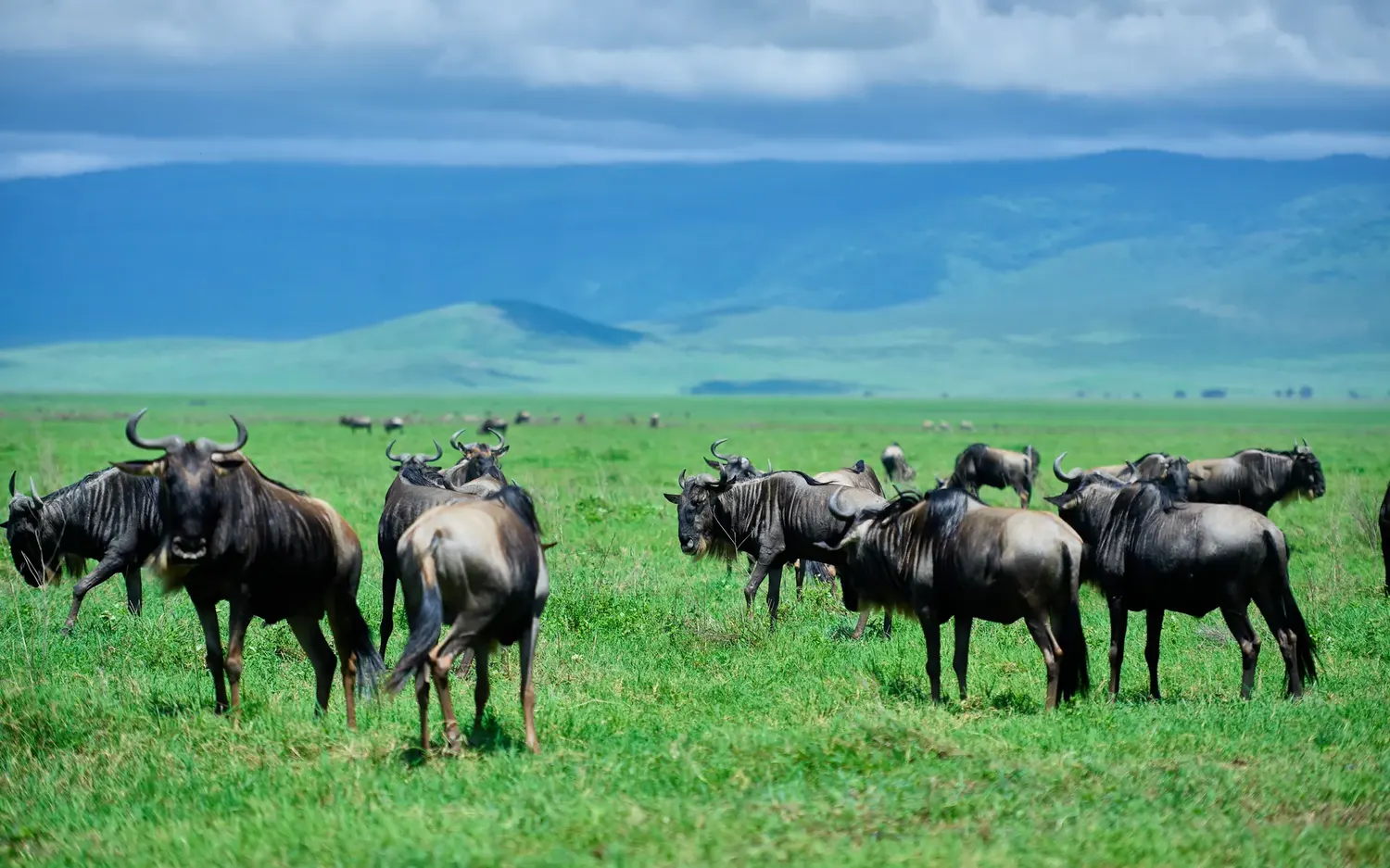
Overview
June–October (River Crossings)
Jan–March (Calving)
Maasai Mara & Serengeti (Ndutu, Seronera, Grumeti, Kogatende)
1.5+ million wildebeest, 400,000 zebras, 300,000 gazelles
River crossings, calving, predator action, endless plains
Did you know? No other overland mammal movement on the planet rivals this one in size, and it ranks among the "Seven Natural Wonders of Africa."
What the Safari Includes and Excludes
The summary below sets out what your 3-day wildebeest migration safari package covers and what it leaves out. Read it carefully so you are ready for the trip.
Inclusion & Exclusion
Inclusion
- Stay at Moyo Tented Camp
- Every meal during the safari
- Professional English-speaking guide
- All park and conservation fees
- Game drives in a 4x4 safari vehicle
- Bottled water without limit on safari
Exclusion
- International flights to/from Tanzania
- Travel insurance
- Personal spending (souvenirs, tips, etc.)
- Alcoholic beverages
- Visa fees (where they apply)
$1,489 Book This Safari
Migration Map & Key Crossing Points
- Ndutu (South): Calving season (Jan–Mar)
- Grumeti River (West): The first river crossing (May–June)
- Mara River (North): The most dramatic crossings (July–Oct)
- Maasai Mara (Kenya): Herds feed here before heading south again
Itinerary
Day 1: Journey to Serengeti
Early Departure from Arusha
Overview:
Leaving Arusha early, your three-day wildebeest migration safari begins with a scenic 4-hour drive to Serengeti National Park, taking you through the awe-inspiring Great Rift Valley and traditional Maasai territory, with chances to photograph culture at authentic bomas and busy local markets.
As you come down from the highlands onto open savannah, you arrive in one of Africa's most iconic ecosystems. Your safari vehicle comes fitted with charging ports, premium binoculars and pop-up roofs for the best wildlife viewing.
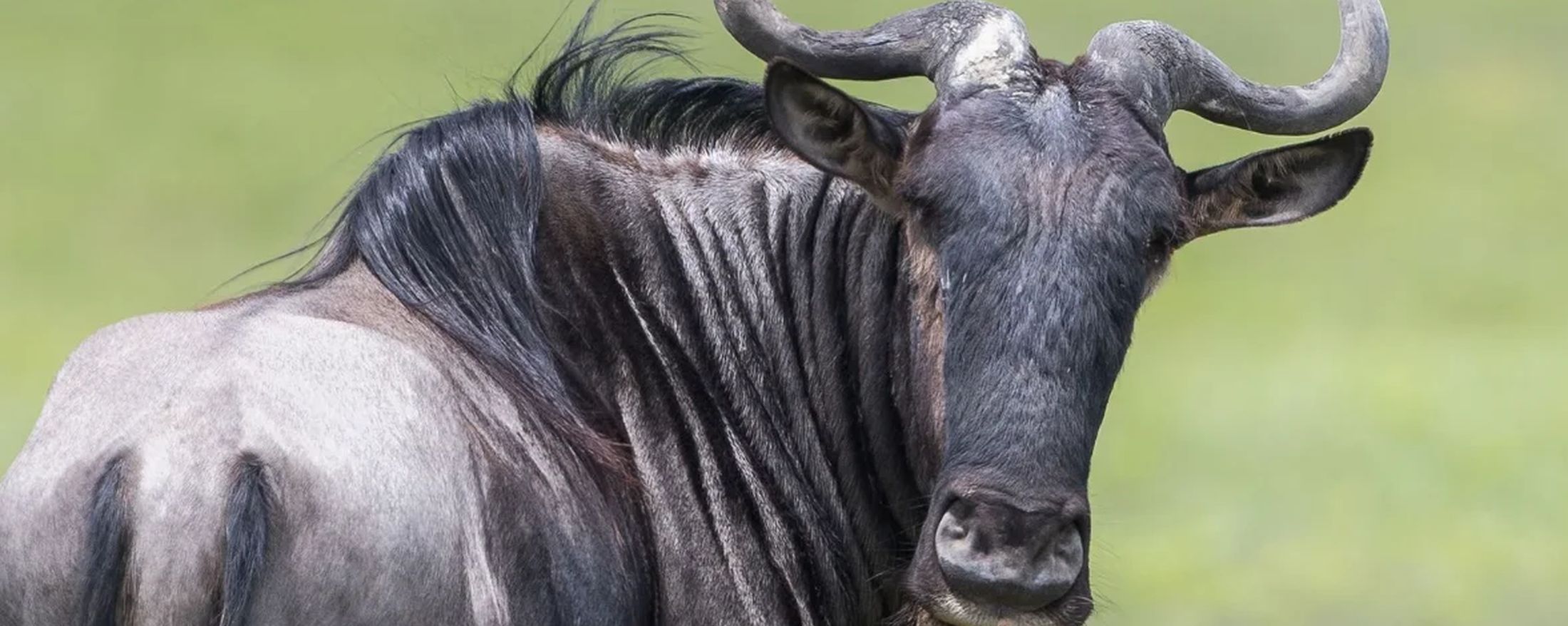
Scenery and Cultural Encounters
Overview:
Knowledgeable Maasai guides may come along too, adding stories of traditional pastoral life and of people and wildlife living side by side.
Your first game drive starts as you arrive in the Central Serengeti. In migration season (April–June) wildebeest and zebras pass through in their thousands, followed by lions, cheetahs and hyenas.
Have a picnic lunch in the wild, then carry on exploring in the afternoon. As the sun sets, arrive at Moyo Tented Camp and settle in among the sounds of the Serengeti.
Overnight: Moyo Tented Camp Stay on Safari
Meals: Breakfast, Lunch, Dinner
Day 2: Tracking the Migration in Central Serengeti
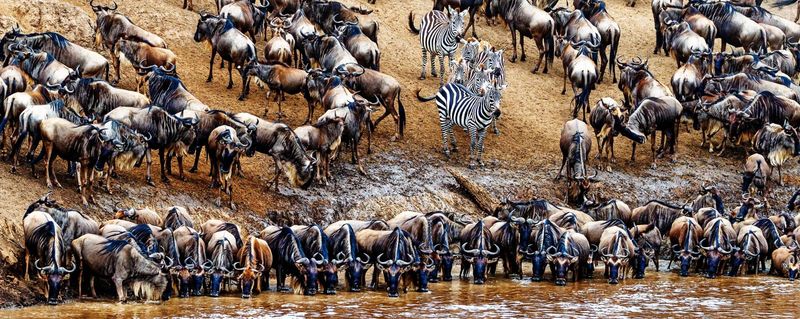
Full Day of Wildlife Adventure
Overview
The core of your safari is following the huge migration herds through Central Serengeti. At peak season (April through June) these wide plains teem with life, as millions of wildebeest and zebra draw top predators including lions, cheetahs and spotted hyenas.
Watch wildebeest spread across the plains, calves struggling to keep pace, and lions lying in wait. Have a bush lunch with sweeping savannah views, perhaps close to hippos or elephants.
Varied Habitats and Top Wildlife Spots
Overview
You cover more than 1,500 square kilometers of varied habitat, from acacia woodland and rocky kopjes to endless grassland. The Seronera River area gives outstanding chances to see hippos, Nile crocodiles and a wealth of birdlife.
More action follows in the afternoon, mixed with calm grazing scenes and possibly a river crossing, all showing nature's raw struggle to survive. You return to camp as the sun sets, for a hot dinner and a relaxing night on your 3 Days Wildebeest Migration Safari.
Day 3: Migration Corridors and River Crossings

Following the Migration, then a Sunset Farewell
Magical Morning
The final day of the 3 days wildebeest migration safari is spent following herds through the main migration corridors and probable river crossing points, a day to remember.
First thing in the morning is ideal for striking wildlife shots—watch for silhouettes, golden backlighting and activity around waterholes.
Begin the morning with a relaxed bush breakfast amid the sounds of the wild. In the afternoon, game drives follow the natural movement of the migrating animals.
- Driving out at sunrise to catch wildlife at its most active
- Say goodbye to the herds and the endless plains
- Drive back to Arusha with memories to keep
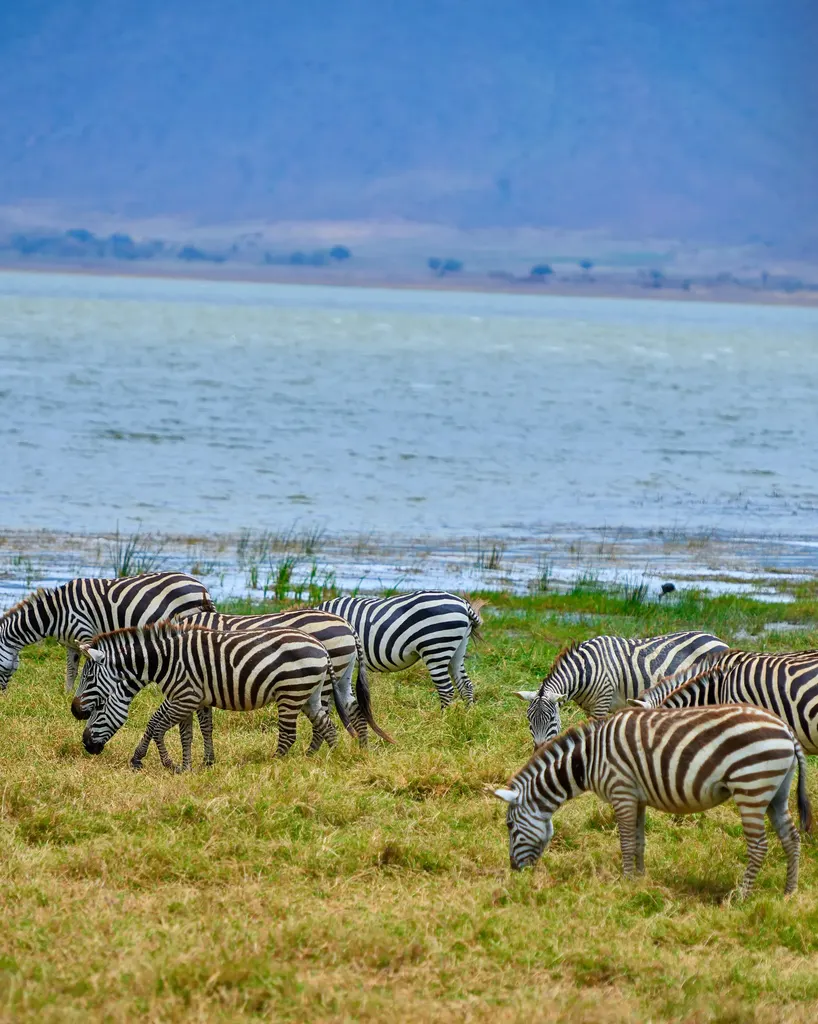
Sunset Toasts and Gourmet Dinners
Emotional Goodbye
Afterwards, unwind at Moyo Tented Camp Stay on Safari, an ideal location for looking at the night sky. Knowledgeable astronomer guides take you through the constellations of the Southern Hemisphere.
During the migration cycle a wildebeest can cover up to 1,000 miles—one of the longest and hardest journeys in the animal kingdom.
The day closes with a sunset celebration of solar-powered lighting, refreshing showers and gourmet dining. Take in sweeping views of the migration routes while you look back over the journey.
Accommodation: Moyo Tented Camp Stay on Safari
Meals: All meals (Breakfast, Lunch, Dinner)
Following the Wildebeest Migration Trail: Key Phases of the Journey
The Great Wildebeest Migration ranks among the most spectacular natural events on Earth. More than 1.5 million wildebeest, joined by zebras and gazelles, travel a circular seasonal route across the Serengeti ecosystem in Tanzania and Kenya's Maasai Mara. The herds follow the rains and fresh grass, creating a cycle that runs all year.

1. Southern Serengeti (Ndutu & Ngorongoro Area)
Time: December – March
Highlights:
- Calving season (Feb): more than 500,000 wildebeest calves arrive within roughly 2–3 weeks.
- Predator action: lions, cheetahs and hyenas pick off the weak young.
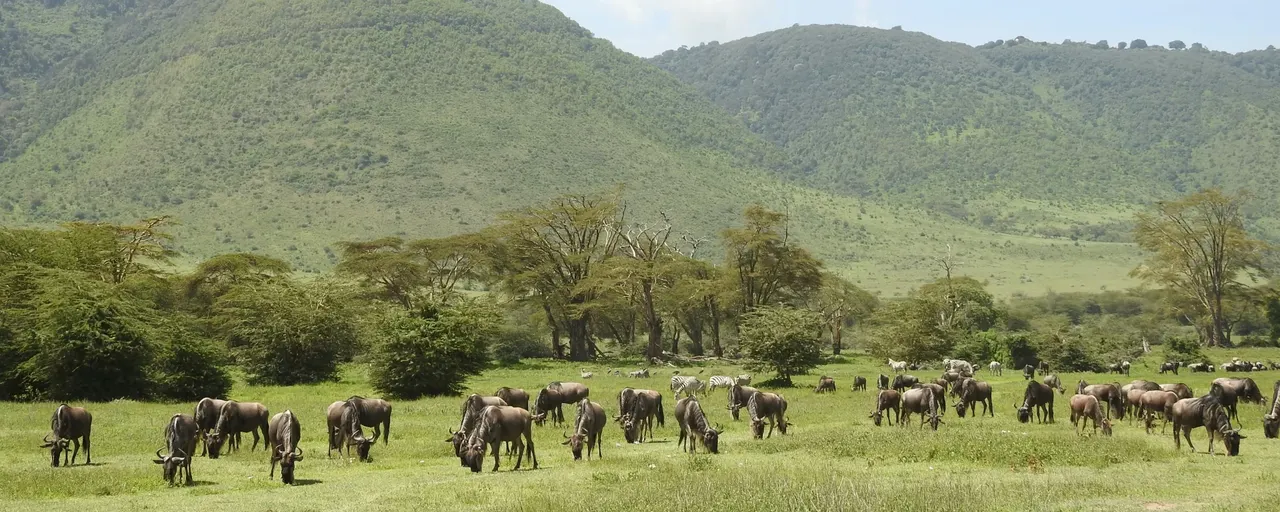
2. Central Serengeti (Seronera)
Time: April – May
Highlights:
- Herds head north across the lush central plains.
- Fewer visitors and dramatic stormy skies.

3. Western Corridor (Grumeti River)
Time: May – June
Highlights:
- Waters full of crocodiles make for dramatic scenes.
- Wildlife scatters across the wide savannah.
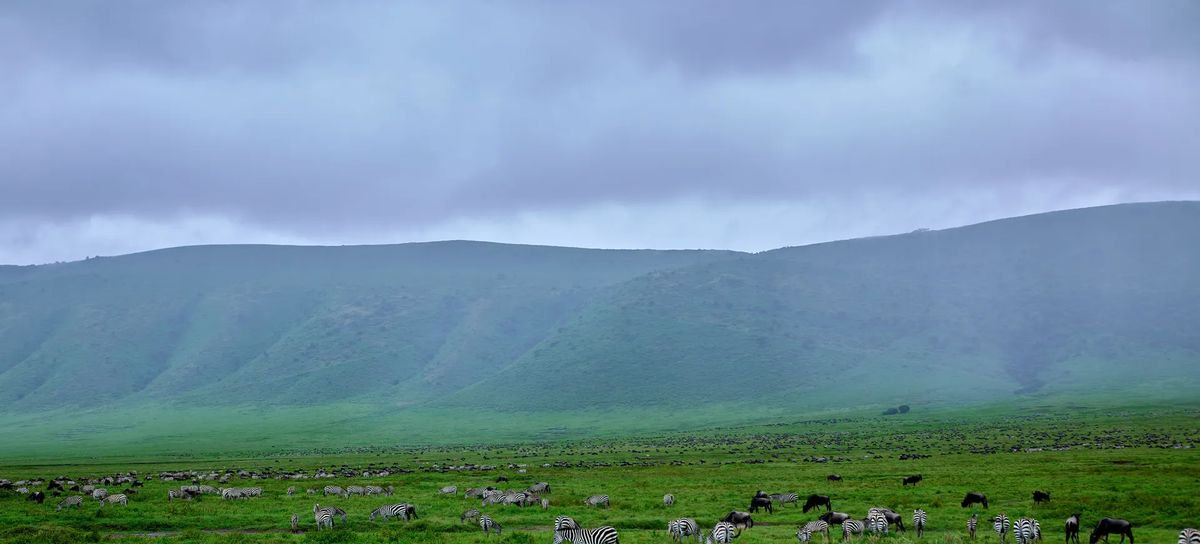
4. Northern Serengeti (Kogatende, Lamai, Bologonja)
Time: July – October
Highlights:
- Crossing the Mara River is the dramatic, dangerous highlight of the whole spectacle.
- Strong currents and lurking predators confront thousands of wildebeest.
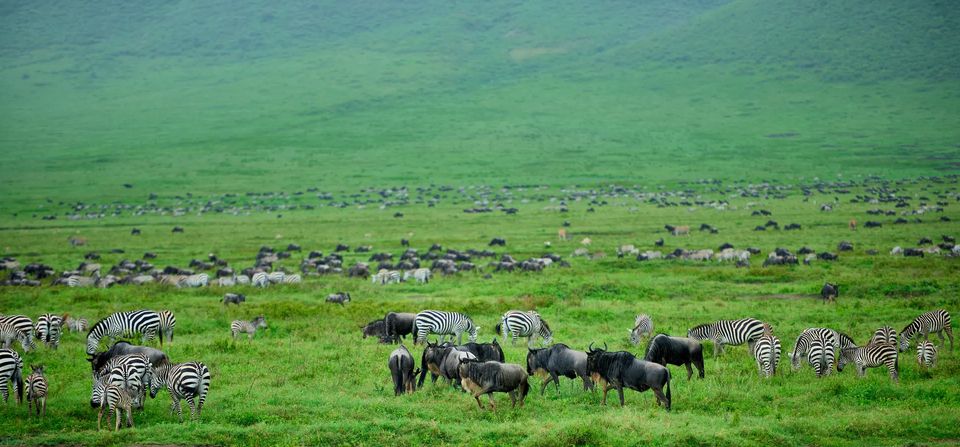
Time: August – October
Highlights:
- A few herds head across into Kenya looking for fresher grazing.
- Shares an ecosystem with Northern Serengeti.

6. Heading South Again (Eastern Serengeti and Lobo)
Time: October – November
Highlights:
- As the short rains begin, the wildebeest start heading south again.
- Across the eastern and central Serengeti, herds spread out over the land.
Frequently Asked Questions
- Q: At what time of year are the river crossings best seen? A: June to October (Grumeti & Mara Rivers), although the migration can be seen all year in different parts of the Serengeti.
- Q: Is the migration dangerous for tourists? A: No, your guide looks after your safety. The drama plays out between animals, so enjoy it from a safe distance! The vehicles are built for comfort and security.
- Q: Which other animals can I spot apart from wildebeest? A: Hundreds of bird species, plus zebras, gazelles, lions, cheetahs, hyenas, crocodiles, elephants, giraffes and hippos.
- Q: Is it possible to watch the migration in Kenya? A: Yes, between July and October the herds cross into the Maasai Mara and later return to Tanzania. Each side has its own perspective.
- Q: What should I pack? A: Bring muted-tone clothing, a hat, sun cream, a camera, binoculars, bug spray, a lightweight jacket for early hours, plus your enthusiasm!
- Q: Can I charge devices or use Wi-Fi at camp? A: Most tented camps have charging points and limited Wi-Fi in shared areas, but be ready to unplug and enjoy nature.
- Q: Can dietary needs be accommodated? A: Yes, tell your operator ahead of time about any allergies or preferences. Vegetarian, vegan, gluten-free and other diets can all be catered for.
Why Do Wildebeest Migrate?
Following the epic journey of 1.5 million wildebeest
The Great Wildebeest Migration is among nature's most spectacular events, powered by strong survival instincts and environmental conditions. The journey never stops, all year round, and follows routes that have been used for thousands of years.
Fresh Grazing
Wildebeest chase the rains to reach nutritious grass. They eat around 4,500 tons of grass a day, always moving on to fresh pasture.
Water Sources
Seasonal rains steer the migration. Wildebeest can sense rainfall from as far as 50km away and head for these life-giving waters.
Calving Season
The short grass plains of the southern Serengeti make perfect calving grounds. More than 500,000 calves arrive within 2-3 weeks, benefiting from areas with few predators.
Genetic Diversity
Constant movement allows different herds to mix genetically, which makes the population stronger against disease and environmental change.
Predator Avoidance
Because the herds never stop moving, predators cannot settle permanent territories. Sheer numbers add safety, as many eyes keep watch together.
Seasonal Cycles
The migration keeps to an exact annual timetable tied to East Africa's wet and dry seasons, so conditions suit the herds all year round.
Migration by the Numbers
Annual Distance
The Yearly Migration Cycle
Calving Season
River Crossings
Related Experiences
Find more safari experiences in Tanzania

Zanzibar Fly-In Safari to Tarangire, Manyara & Serengeti, 8 Days Book Now
Shared Group Safari in Tanzania, 6 Days: Tarangire, Serengeti, Ngorongoro Crater & Arusha National Park Book Now
Classic 5-Day Tanzania Safari Covering Tarangire, Serengeti, Ngorongoro & Lake Manyara Book Now
Safari and Beach Holiday Combo with Comfort, 8 Days Book Now