

When the dry season nears in April, the herds begin heading northwest toward the Grumeti River and reach the Mara River by July. Crossing the river is the most thrilling and risky moment of the migration, as herds plunge into waters full of crocodiles in a frantic effort to get to the Maasai Mara in Kenya. Many die, either taken by predators or swept away by the fast currents. After feeding on the Mara's lush grasslands, the herds start back south around October, closing the migration cycle.
Far more than a tale of survival, this vast movement holds the region's ecology together. It feeds an enormous range of wildlife, draws thousands of visitors, and supports both local livelihoods and conservation work. The wildebeest migration is a living, moving wonder of the natural world, a showcase of resilience and of how closely every life on the African savanna is linked.

Timing
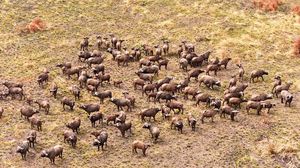
The Great Wildebeest Migration is a continuous cycle that runs all year in search of fresh grass and water, yet it follows a clear seasonal pattern with major events. From January to March the herds gather in the southern Serengeti, especially the Ngorongoro Conservation Area, for calving. In those few weeks over 500,000 calves are born, a feast for predators such as lions and hyenas. When the rains stop and water runs short between April and June, the herds begin their long trek northwest toward the Grumeti River. From July to September the migration reaches its most dramatic stage, as the wildebeest attempt the perilous Mara River crossing into Kenya's Maasai Mara. Many die here, swept away by strong currents or taken by waiting crocodiles. Between October and December, after grazing in the Mara, the herds slowly head back to the southern Serengeti with the start of the short rains, closing the cycle so that it can begin again.
Animals Involved
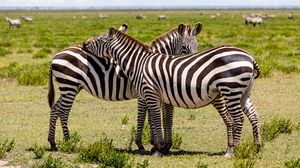
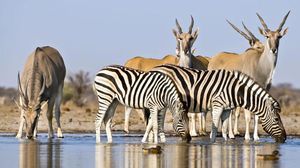
The Great Wildebeest Migration is a vast movement of animals across the Serengeti-Mara ecosystem, led by roughly 1.5 to 2 million wildebeest. Around 200,000 zebras walk with them, often at the head of the herds, using sharp eyesight to detect predators. Tens of thousands of Thomson’s and Grant’s gazelles join the procession, along with elands and other antelope. Together they form a mixed, mutually dependent group, each species helping the herds survive and travel as they face the hazards of the East African plains.
Predators
Throughout the Great Wildebeest Migration, powerful predators shadow the herds and depend on this yearly movement to survive. Lions, cheetahs, hyenas and leopards stalk the animals across the plains, most of all during calving season when vulnerable newborns are easy prey. One of the riskiest moments comes at the river crossings, especially the Mara and Grumeti Rivers, where Nile crocodiles wait just below the surface. These crossings turn into fierce struggles as thousands of wildebeest gamble their lives to get across, and many fall to the strong jaws of these stealthy reptiles. Predation is vital to keeping this ever-changing ecosystem in balance.
Circle of Life
The Great Wildebeest Migration is central to the circle of life in the Serengeti-Mara ecosystem, sustaining a wide range of species and natural processes. As the herds graze, they trim the vegetation and fertilise the soil with their droppings, which encourages the grass to regrow. This ongoing cycle keeps the savanna healthy. The migration also strengthens predator-prey relationships by giving lions, hyenas and crocodiles a dependable source of food, which in turn regulates animal numbers and keeps nature in balance. It also draws thousands of visitors from around the globe, and the tourism income they bring is crucial for funding wildlife conservation, supporting local communities and protecting this extraordinary spectacle for future generations.
01Reason For The Migration
The Great Wildebeest Migration ranks among nature’s most extraordinary events, driven mainly by the hunt for fresh grass and water. Every year, more than 1.5 million wildebeest, joined by hundreds of thousands of zebras and gazelles, follow a circular path between Tanzania’s Serengeti and Kenya’s Maasai Mara. Seasonal rains set it off, as the animals instinctively head for lush grassland and dependable water. The migration is a survival strategy: it keeps the herds fed all year and lets them give birth in safer, nutrient-rich surroundings. The journey is vital not just to the animals themselves but to the wider ecosystem, shaping the relationship between predators and prey and keeping the savannah healthy.