- 98
- 1
- 1
- 8

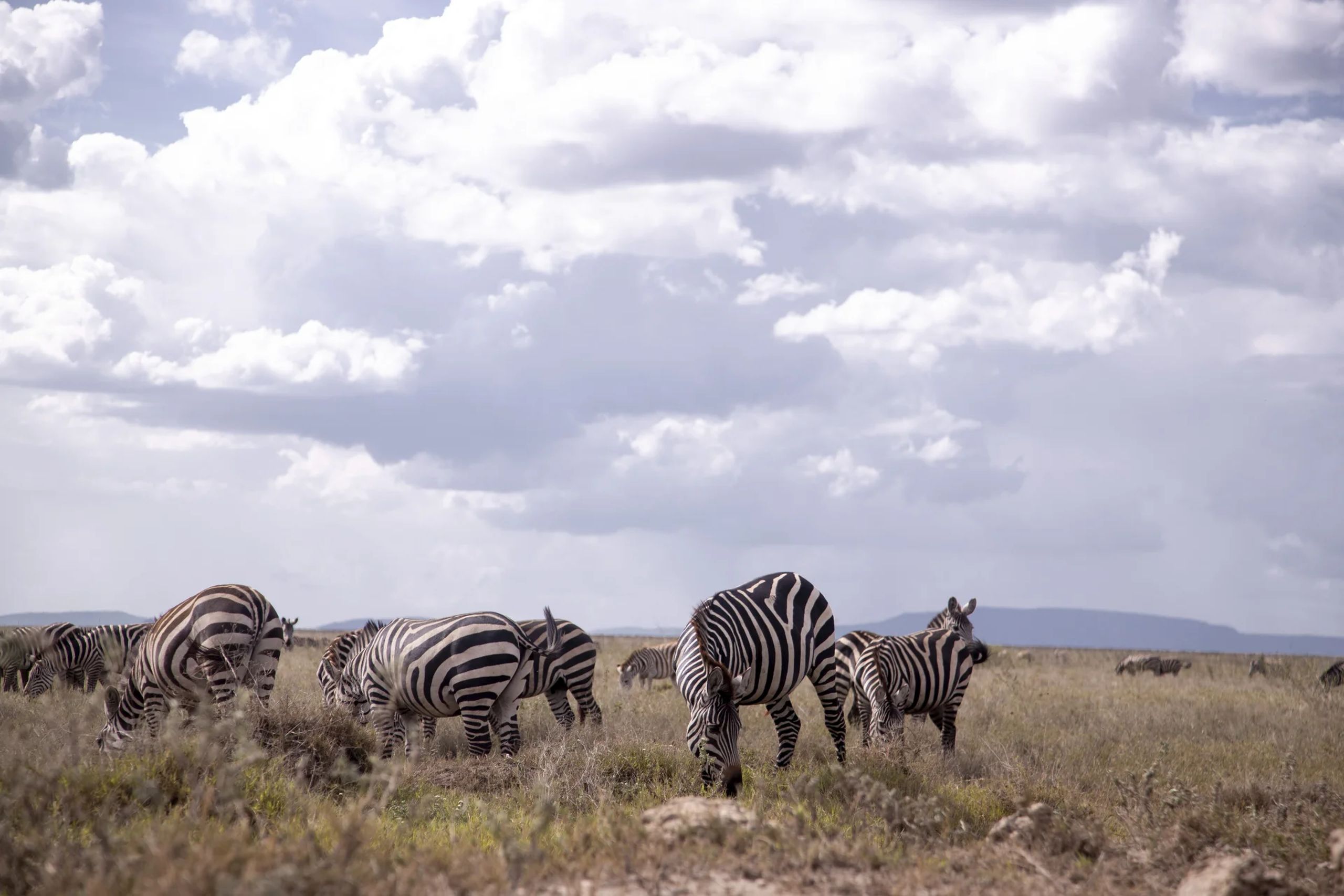
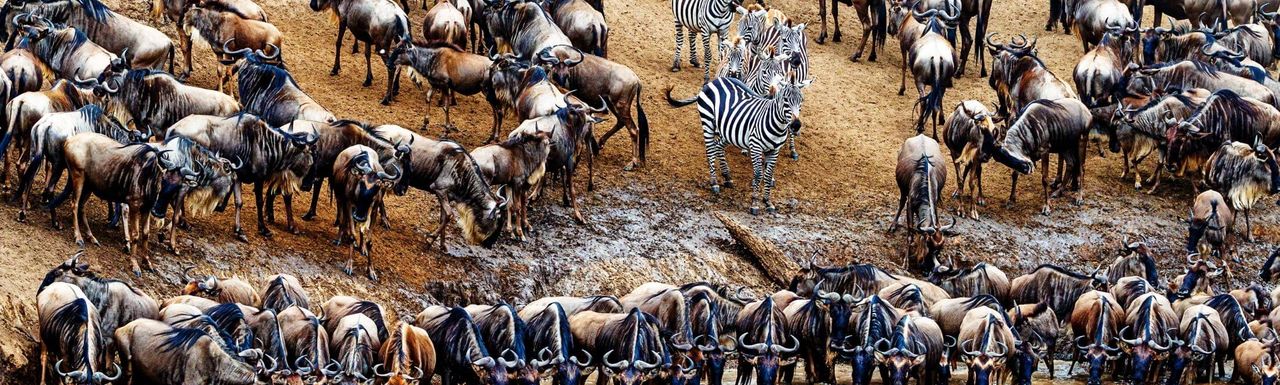
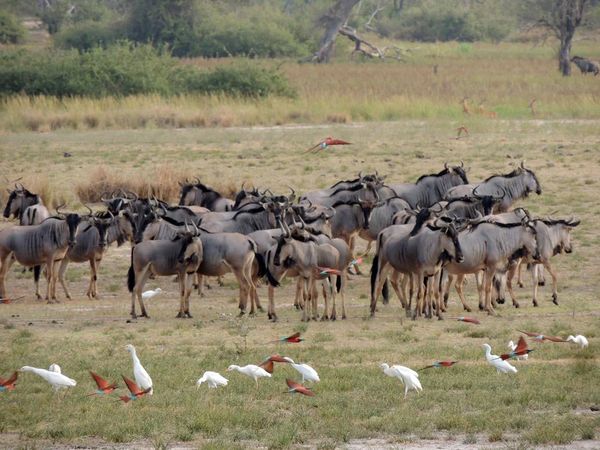
Serengeti National Park, established in 1951, stretches across about 5,700 sq mi (14,763 sq km) of East Africa's famous grasslands. It has held UNESCO World Heritage and biosphere reserve status since 1981, honoured for its rich biodiversity and for the world's last intact large‑mammal migration. The park lies at the heart of a larger Serengeti ecosystem that joins the Ngorongoro, Maswa, Grumeti, Ikorongo and Loliondo protected areas, and it supports around 1.2 million wildebeest, 200 000 zebras and a host of other species that follow a yearly 1 250–1 750 mile circuit in search of grazing and water. The terrain varies from flat plains to rolling hills and riverside woodland, at elevations between 3,020 and 6,070 ft, and rainfall comes in two phases, with a dry season from June to October and wet seasons from November to December and March to May. Visitors can take part in game drives, hot‑air balloon safaris and guided walks. Wildlife viewing is at its peak in the dry months, although travelling in the shoulder season during the short rains can mean fewer crowds and lush scenery. Conservation work centres on anti‑poaching patrols, protecting habitat and engaging communities, in order to tackle threats such as illegal hunting and fragmented habitat.