
Overview
Departure from Arusha
An early road transfer from starts off the 3 Days Migration Safari Arusha to Serengeti National Park. During the 4-hour drive you can photograph traditional Maasai bomas and local markets. The scenery changes from highlands to savannah through the Great Rift Valley along with Maasai territory. Charging ports, binoculars and pop-up roofs for game viewing are fitted to the safari vehicles. Local Maasai guides may travel with you, sharing insights on pastoralism and living alongside wildlife.
Arriving in the Central Serengeti
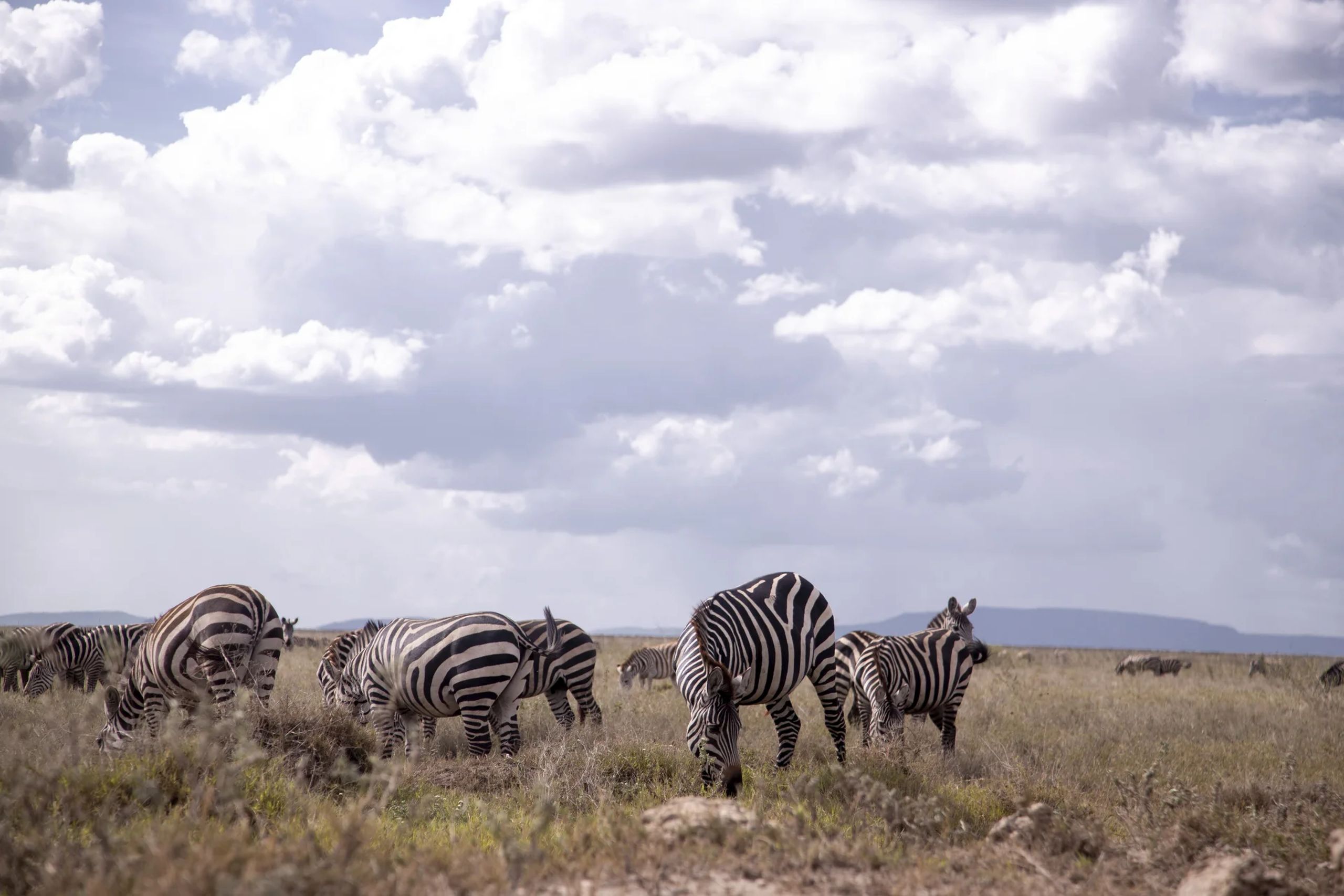
The safari carries on in the Central Serengeti with your first game drive. The area stretches across 1,500 square kilometres of acacia woodland, kopjes and grassland. From April to June, herds of wildebeest and zebra pass through these plains, attracting predators like lions, cheetahs and hyenas. The Seronera River supports resident hippos, crocodiles and birds. Game drives concentrate on kopje formations, a place for leopards to lounge and lions to stake their claim.
Game Drive in the Afternoon and Arrival at Camp
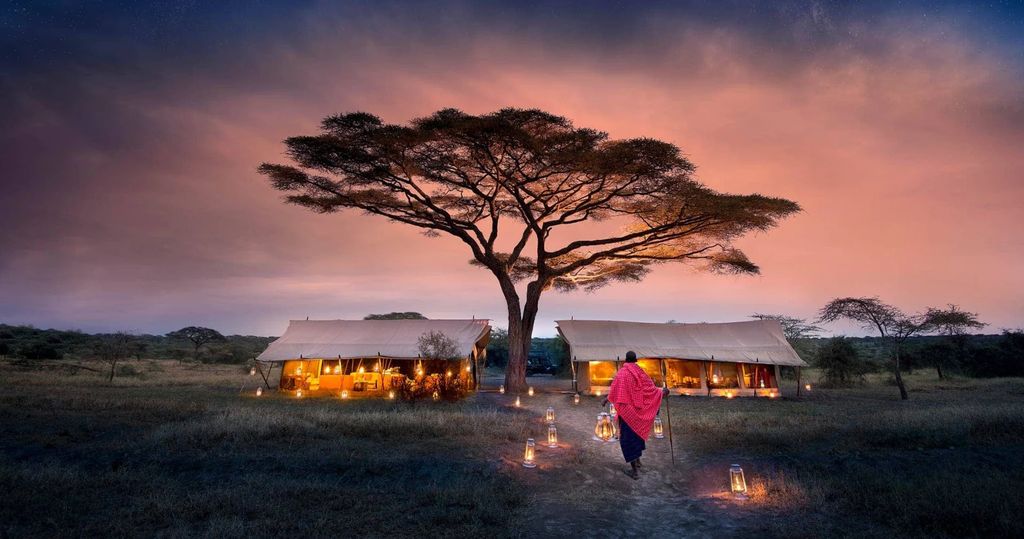
A picnic lunch is served out in the bush. The afternoon drive looks for migration corridors and possible river crossings, and you reach camp around sunset. After dark, astronomer guides lead stargazing and point out the constellations of the Southern Hemisphere. The camp has solar lighting, hot showers and raised dining areas overlooking the migration routes.
Overnight: Moyo Tented Camp Stay on Safari
Meals: Breakfast, Lunch, Dinner
01Itinerary
02Day 1: Arusha to Serengeti

Meeting the Herds for the First Time
An early drive out of Arusha opens your 3-Day Migration Safari, heading for the famous Serengeti and passing through the scenic Great Rift Valley and Maasai lands, watching the scenery change from highlands to wide savannahs.
Your first game drive begins as you reach the Central Serengeti. In migration season (April–June) wildebeest and zebras stream past by the thousand, with lions, cheetahs and hyenas following close behind.
Have a picnic lunch in the wild before carrying on exploring in the afternoon. As the sun sets, you settle in at Moyo Tented Camp Stay on Safari, with the noises of the Serengeti all around you.
Overnight: Moyo Tented Camp Stay on Safari
Meals: Breakfast, Lunch, Dinner
Tracking the Migration – Deep into the Wild
Overview – 3 Days Migration Safari:
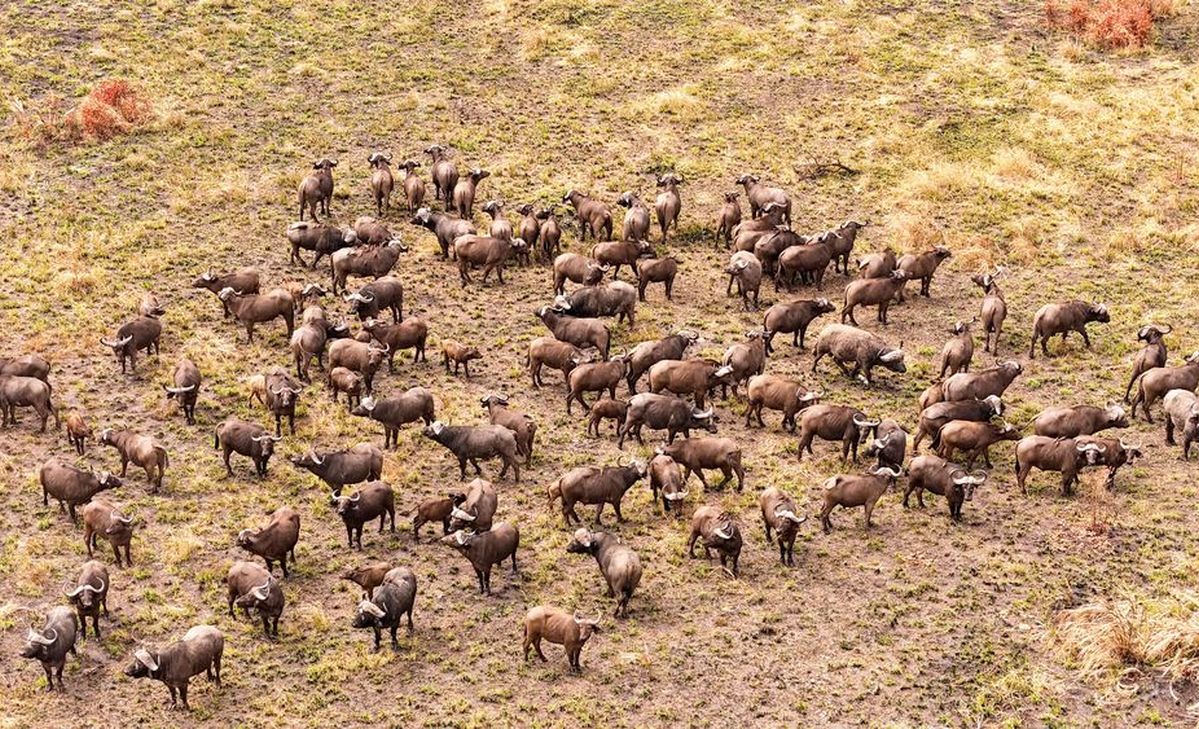
Wake to the calls of the wild and the gentle first light across the Serengeti plains. Once breakfast at camp is done, you head out for a full day of game viewing along the route of the Great Migration on your 3 Days Migration Safari.
Watch huge herds of wildebeest and zebras cross the savannah with watchful predators close behind. Your expert guide explains the dramatic and tender moments happening around you.
Enjoy a lunch picnic at a beautiful viewpoint in the Serengeti, then keep going with your afternoon drive or return to camp at an easy pace, enjoying the golden hour on your 3 Days Migration Safari.
Return to Moyo Tented Camp Stay on Safari for a warm meal and a look back at the day’s remarkable wildlife encounters under a sky full of stars, on your 3 Days Migration Safari.
03Day 2: Full-Day Safari
Right in the Midst of the Migration
Overview – 3 Days Migration Safari:
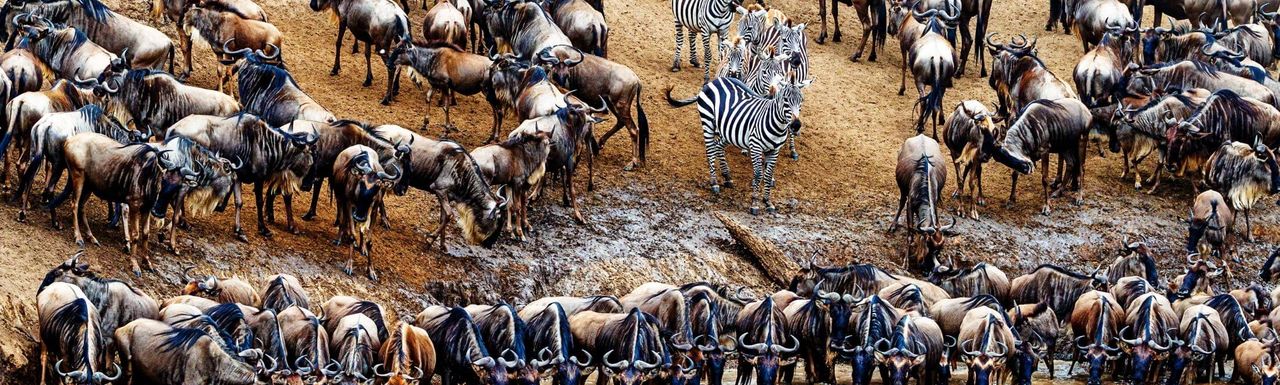
On the 3 Days Migration Safari you set off early for a full day following the migration route. Your guide tracks the herds to the busiest spots, where predators and prey meet in dramatic encounters.
Watch wildebeest spread across the plains, calves struggling to keep pace, and lions lying in wait. Have a bush lunch with sweeping savannah views, perhaps close to hippos or elephants.
More action and peaceful grazing fill the afternoon, and you may even catch a river crossing — raw moments of survival unfolding before you. Be back at camp as the sun sets for a warm meal and a relaxed evening during your three-day migration safari.

Closing Hours – Dawn Light, Calm and One Final Pursuit
Start the last morning of your 3 Days Migration Safari with a sunrise game drive as the Serengeti wakes in golden light. Predators drift back from their night hunts while grazers step warily into the day — a calm, thoughtful hour that is perfect for photography.
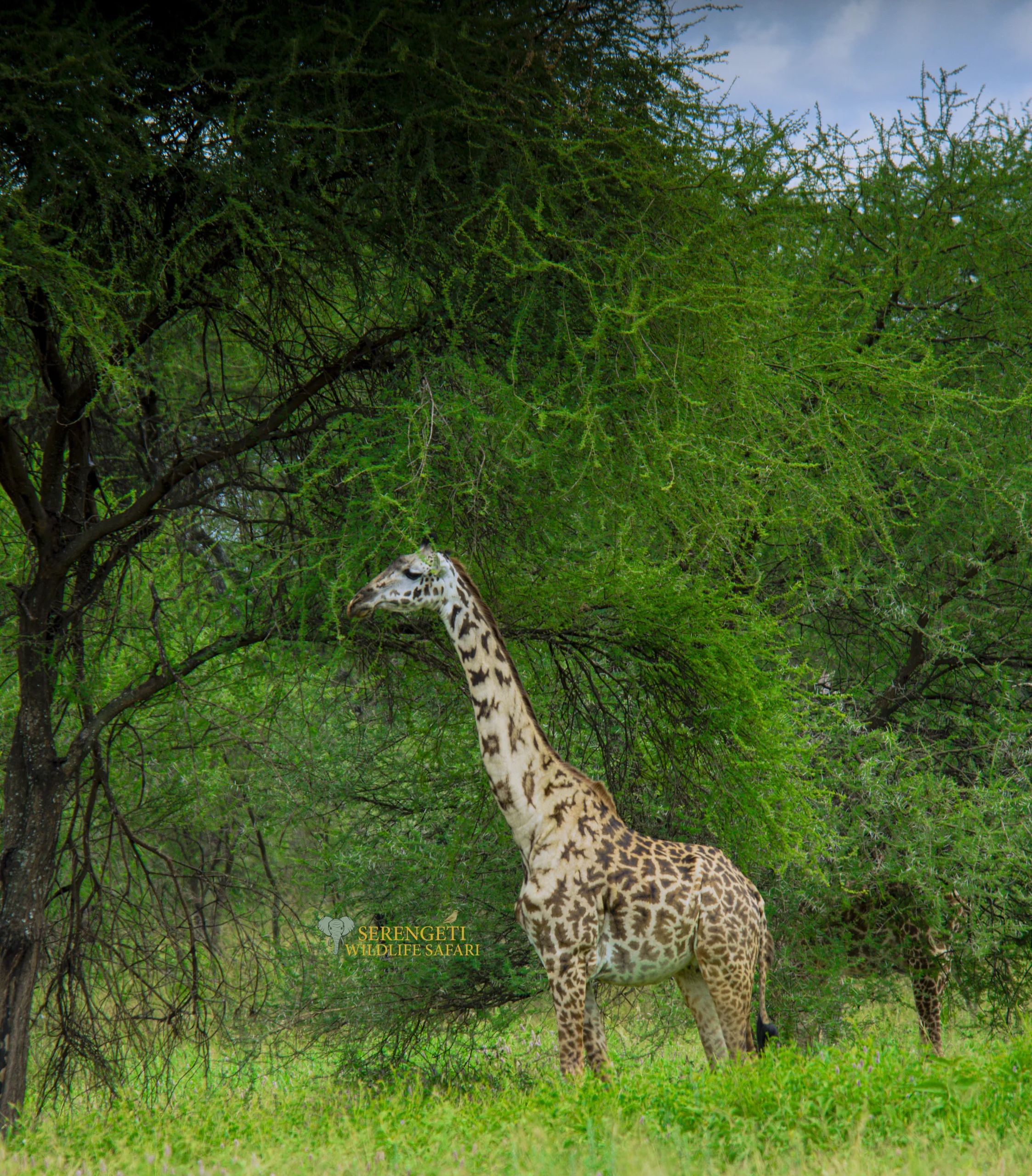
Depending on where the herds are, you might see a cheetah surveying the plains, a newborn wildebeest taking its first steps, or giraffes browsing in the morning mist. After a relaxed breakfast in the bush, you begin your drive out of the park.
As you head back to Arusha, the look, noise and pulse of the migration linger long after — a vivid reminder of your 3 Days Migration Safari.
04Day 3: Serengeti - Arusha

Final Bush Breakfast
Get up early for your last sunrise game drive on the 3 Days Migration Safari, as golden light spills over the plains. See wildebeest and zebra herds on the move, predators finishing their night's hunt and the wild waking in full chorus.
Spend a last day with the Great Migration, from newborn calves taking first steps to lions surveying the land from rocky kopjes, during your 3 Days Migration Safari.
After an early lunch or a packed meal, you set off back to Arusha, taking in a last look at the Serengeti. You arrive in the early evening with a full heart and a camera full of memories from your 3 Days Migration Safari.
Meals: Breakfast, Lunch
Goodbye to the Wild – A Final Look at the Migration
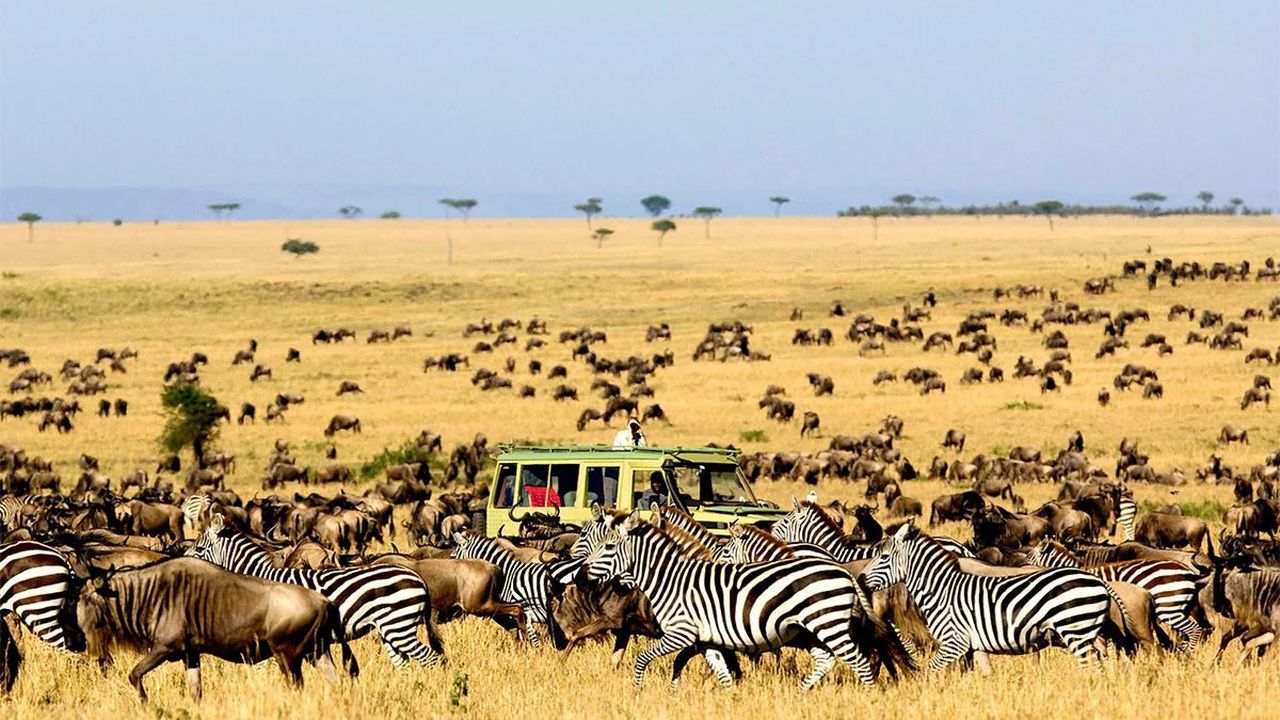
Get up early to watch your last Serengeti sunrise, as golden light sweeps across the plains. Wildebeest and zebra herds move with grace, predators slip away and the dawn chorus swells, a magical end to your safari.
Follow the Great Migration one final time and watch how the herds and their predators behave. From newborn calves finding their feet to lions scanning the plains from rocky kopjes, each moment shows nature's raw beauty.
After a relaxed bush breakfast or packed meal, start the journey back to Arusha, carrying away more than photographs: a lasting bond with the wild.
Meals: Breakfast, Lunch
05What the Safari Includes and Excludes
Here is a summary of what your 3-days migration safari package does and does not include. Please read it carefully so you are ready for the trip.
Inclusion & Exclusion
Inclusion
- Stay at Moyo Tented Camp
- Every meal during the safari
- Professional English-speaking guide
- All park and conservation fees
- Game drives in a 4x4 safari vehicle
- Bottled water without limit on safari
Exclusion
- International flights to/from Tanzania
- Travel insurance
- Personal spending (souvenirs, tips, etc.)
- Alcoholic beverages
- Visa fees (where they apply)
06Following the Wildebeest Migration Trail: Key Phases of the Journey
The Great Wildebeest Migration ranks among the planet's most spectacular natural events. More than 1.5 million wildebeest, with zebras and gazelles, follow a circular seasonal route through the Serengeti ecosystem in Tanzania and the Maasai Mara in Kenya. The herds chase the rains and fresh grass, creating a cycle that runs all year.
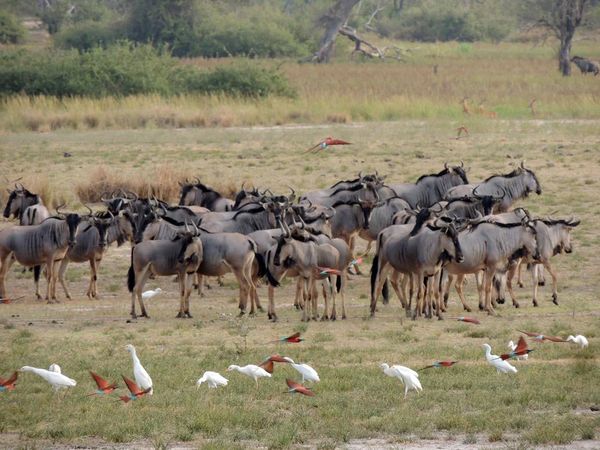
1. Southern Serengeti (Ndutu and Ngorongoro Area)
- Calving season (Feb): more than 500,000 wildebeest calves arrive within roughly 2–3 weeks.
- Predator action: lions, cheetahs and hyenas pick off the weak young.
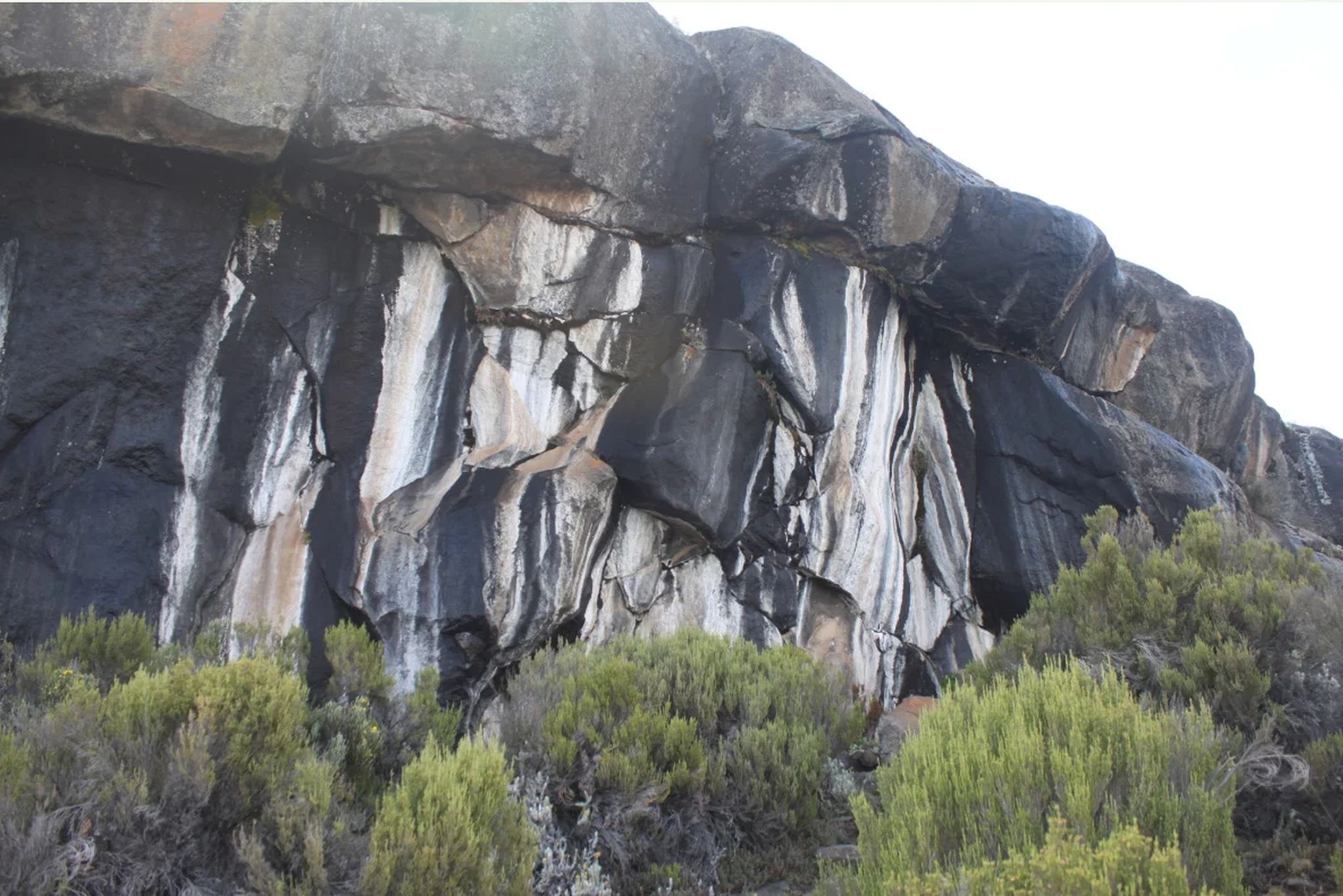
2. Central Serengeti (Seronera)
- Herds head north across the lush central plains.
- Fewer visitors and dramatic stormy skies.
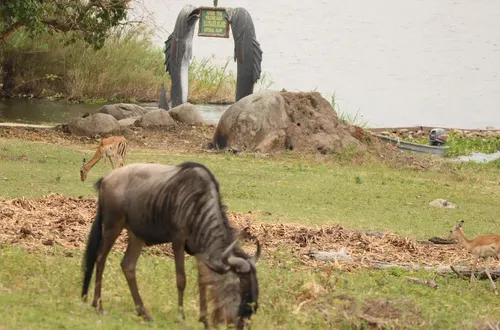
3. Western Corridor (Grumeti River)
- Waters full of crocodiles make for dramatic scenes.
- Wildlife scatters across the wide savannah.
4. Northern Serengeti ( Kogatende, Lamai, Bologonja)
- Crossing the Mara River is the dramatic, dangerous highlight of the whole spectacle.
- Strong currents and lurking predators confront thousands of wildebeest.
- A few herds head across into Kenya looking for fresher grazing.
- Shares an ecosystem with Northern Serengeti.
6. Heading South Again (Eastern Serengeti and Lobo)
- As the short rains begin, the wildebeest start heading south again.
- Across the eastern and central Serengeti, herds spread out over the land.
07Reason for the Migration
In February's calving season, more than 500,000 wildebeest are born within just 2–3 weeks in the Southern Serengeti. The synchronised births overwhelm predators and so improve calf survival, yet they also lure lions, cheetahs and hyenas toward the vulnerable herds.
1. The Hunt for Fresh Grazing
- Wildebeest travel after the rain to reach green, nutritious grass.
- Wet and dry seasons are clearly defined in the Serengeti, and together they set up a repeating cycle of food supply.
2. Access to Water
- In the dry months, herds head for lasting water such as the Mara and Grumeti Rivers.
- Staying near water is vital for survival, above all for nursing mothers and calves.

3. Breeding and Calving
- In the Southern Serengeti (Feb), wildebeest time their calving to coincide with plentiful grass.
- Wide open plains offer clear visibility and safety from predators during the birthing season.
4. Instinct and Evolutionary Behaviour
- The migration is an instinct programmed into the animals over thousands of years.
- Part of how wildebeest survive is by "remembering" the paths, the timing and the dangerous spots along the way.
5. Rainfall Patterns
- Seasonal rains set the herds moving, creating a natural rhythm that spans the Serengeti and Maasai Mara.
- Rain brings fresh plant growth, which draws the herds to those areas.
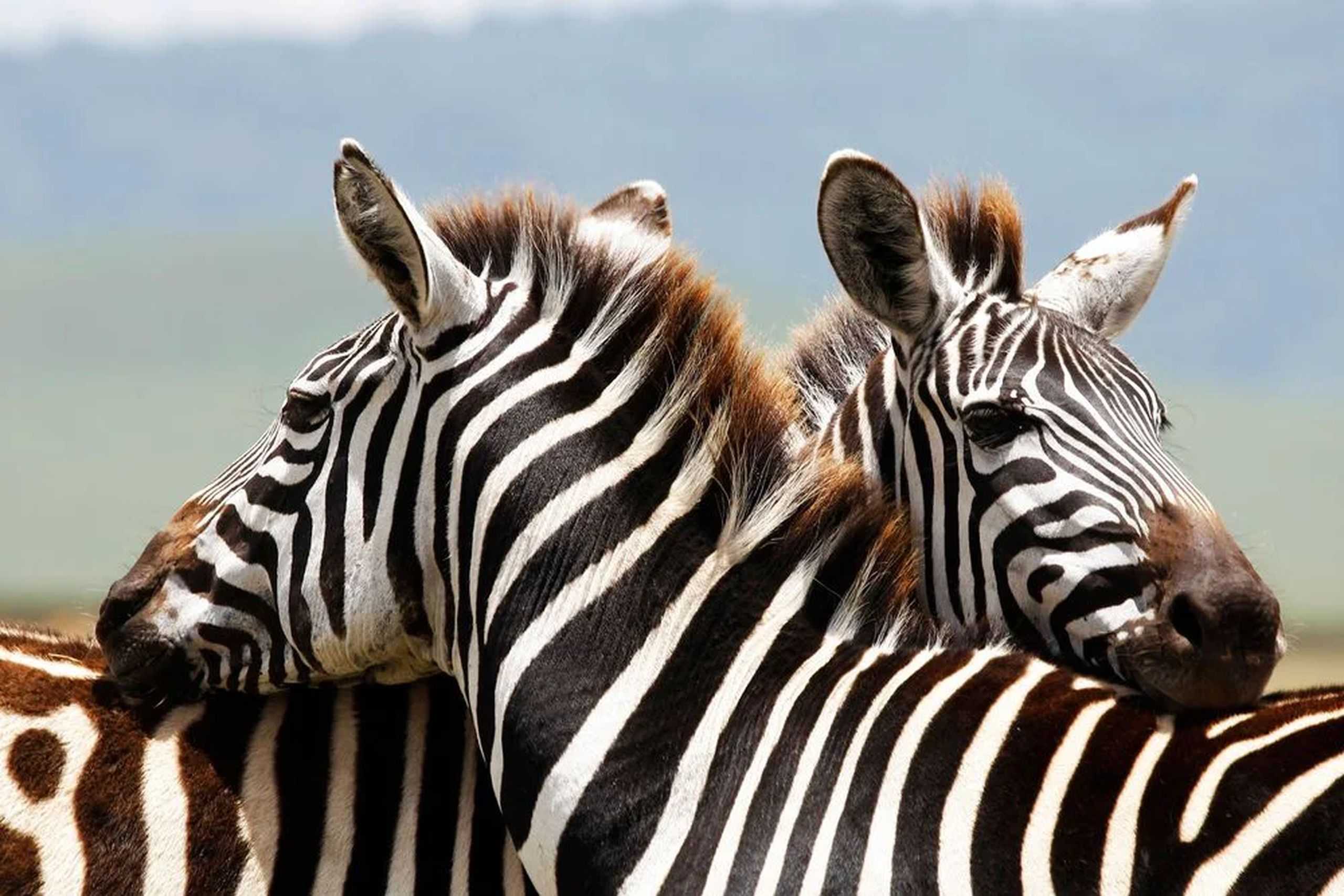
6. Ecosystem Balance
- Migration renews the ecosystem: grazing keeps grass short, hooves loosen the soil and dung feeds the land.
- Their movements sustain the balance between predators and prey and support biodiversity.