
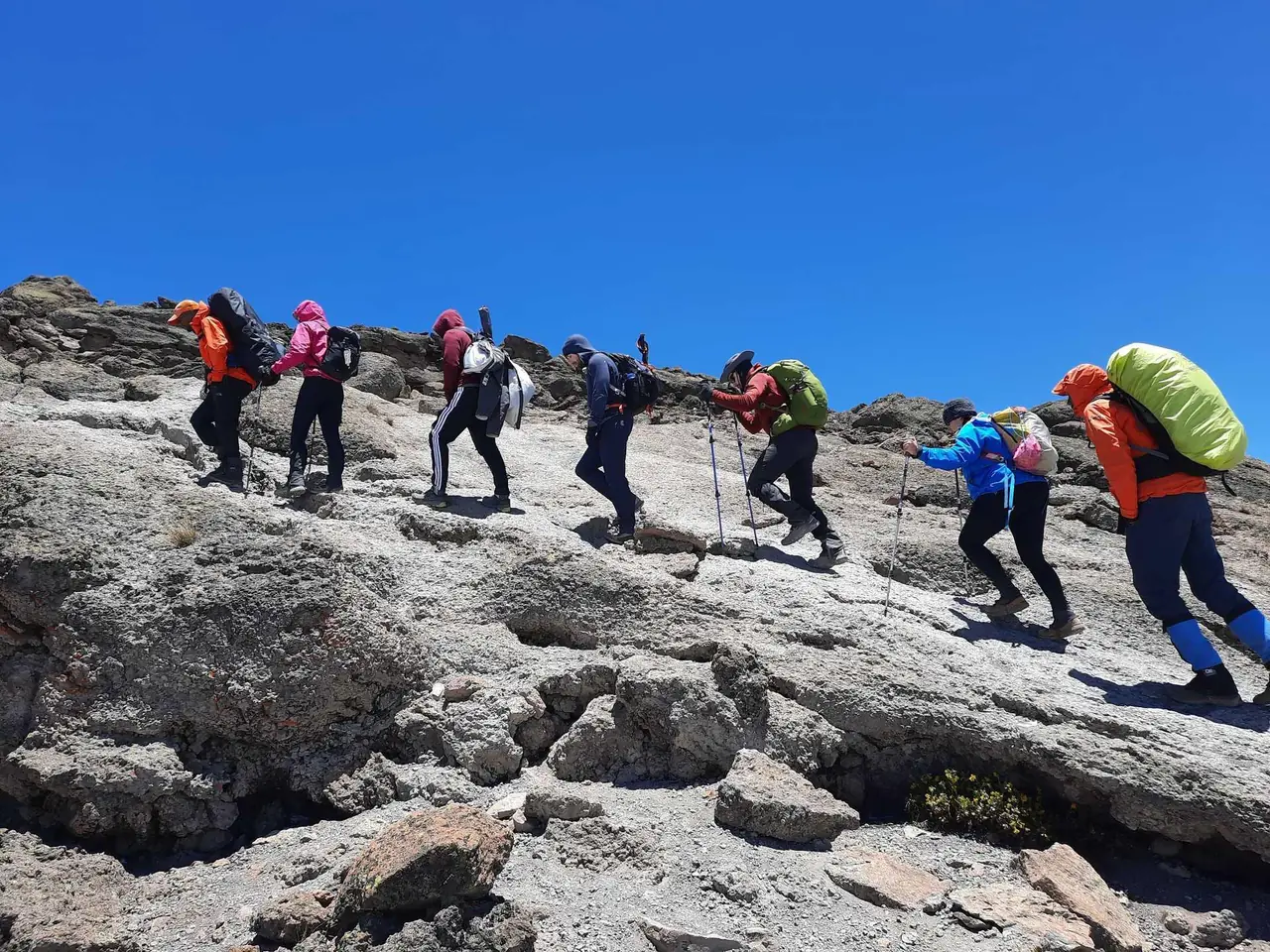
Experienced hiker or taking on your first big trek, these key tips will get you ready, both physically and mentally, for this remarkable adventure.
01Build Stamina, Not Pace
Reaching the top of Kilimanjaro doesn't call for an elite athlete, but it does reward good stamina, so see how you can summit Kilimanjaro with the right preparation. Concentrate your training on long hikes, ideally with some climbing, while wearing a light daypack. Cardio workouts such as running, cycling or swimming, plus leg work like lunges and squats, will all help.
Pro Tip: Hike on back-to-back days so your body gets used to the rhythm of a multi-day trek.
02Pick the Route That Suits You
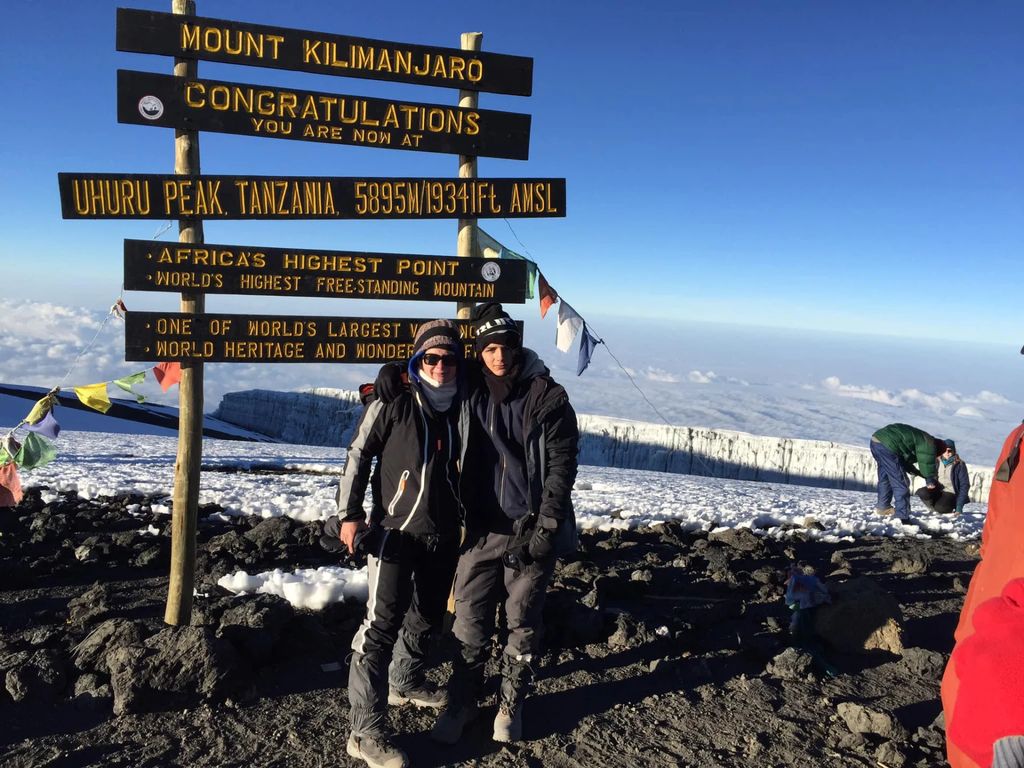
Several routes lead to the summit, and they differ in difficulty, scenery and length. The Lemosho and Machame routes give good acclimatisation chances and lovely views. Marangu is shorter, but its quicker ascent means a lower success rate.
03Pack Smart, Pack Light
Your main bag travels with the porters, but you still need to take a small daypack for the essentials. Make sure the following are on your packing list:
- Thermal layers and moisture-wicking clothes
- Waterproof jacket and trousers
- Good-quality hiking boots (well broken-in!)
- Warm hat, gloves and headlamp
- Sunscreen, sunglasses and lip balm
- Water bottles or a hydration system
- Snacks and energy bars
04Acclimatization Is Key
A porter carry your large bag for you, yet you should keep a small daypack for essentials. Things to put on your packing list:
- Thermal layers and moisture-wicking clothes
- Waterproof jacket and trousers
- Good-quality hiking boots (well broken-in!)
- Warm hat, gloves and headlamp
- Sunscreen, sunglasses and lip balm
- Water bottles or a hydration system
- Snacks and energy bars
05Buy Your Gear Early and Try It Out
Do not leave buying your gear until the last minute. Break in your boots and make sure your layers feel comfortable. Try out your backpack, hydration system and clothing on training hikes.
Cold Tip: Kilimanjaro's nights can turn bitterly cold, particularly higher up. Buy a good-quality sleeping bag rated to -10°C (14°F) or lower.

06Respect the Altitude and Heed Your Body
Tell your guide straight away if you feel unwell. Kilimanjaro’s altitude affects everybody differently, and safety always comes first. Headaches, nausea and tiredness are common, but symptoms that get worse must be taken seriously.
Important: Our guides have training in caring for people at high altitude, so rely on their judgment.

Chat with Us